Home technology
Home Theater Installation Charlotte: Modern AV in Historic Homes
A thoughtful approach to home theater installation Charlotte homeowners plan during SouthPark renovations, balancing acoustic design with architectural integr
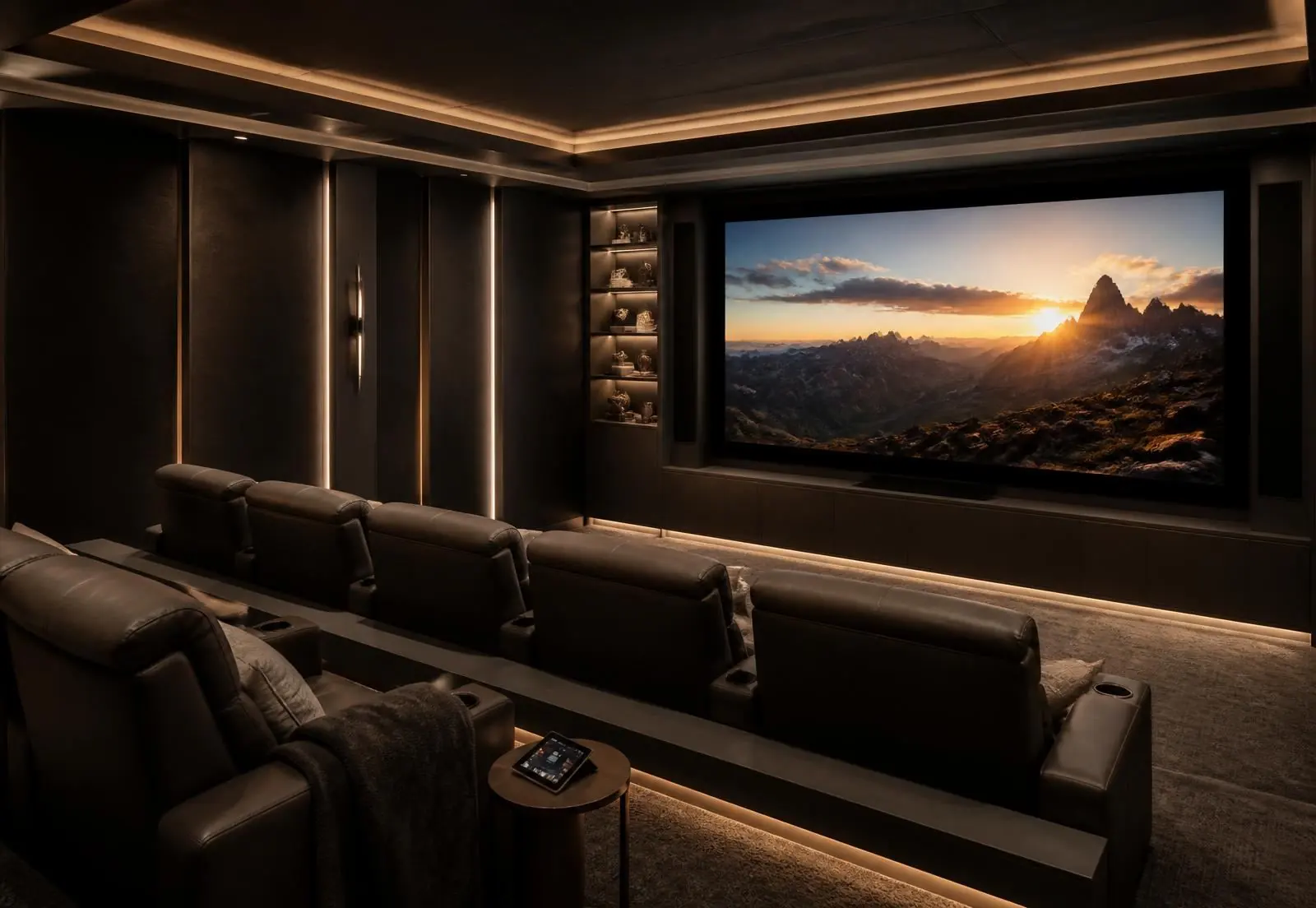
When undertaking comprehensive renovations in established neighborhoods across SouthPark, integrating high-performance media environments requires a measured, architectural perspective. A successful home theater installation Charlotte homeowners commission today rarely resembles the windowless, commercial-cinema replicas of decades past. Instead, current residential design prioritizes multi-use media rooms, refined acoustic treatment integrated into millwork, and invisible technology that serves daily living without interrupting a home's aesthetic continuity.
Architectural Considerations for Retrofitting Established Footprints
Many residences throughout Barclay Downs originated as classic mid-century ranches or split-levels, characterized by eight-foot ceilings, crawlspace foundations, and traditional partitioned layouts. When adapting these established homes for modern entertainment, structural parameters dictate the engineering path. Floor joist depth, wall cavity volume, and HVAC routing directly impact both sound isolation and equipment concealment.
Unlike new construction where double-stud framing and deep ceiling plenums can be drawn from scratch, a retrofit demands strategic interventions. Decoupling walls using resilient channel systems or sound-damping drywall compounds allows homeowners to isolate low-frequency audio from adjacent bedrooms and living areas without sacrificing square footage. Utilizing existing crawlspaces facilitates clean conduit runs for power and signal distribution, bypassing the need to disturb finished plaster or original hardwood flooring overhead.
Acoustic Engineering and Architectural Speaker Integration
True acoustic design balances direct sound, early reflections, and ambient resonance. In open-concept living areas and dedicated media rooms alike, reflective surfaces—such as large windows, white oak floors, and marble hearths—can degrade sound clarity if left unaddressed. Incorporating acoustic dampening into the broader interior design plan ensures optimal performance without visual disruption.
Custom millwork panels upholstered in acoustically transparent textiles, slatted architectural wood baffles with sound-absorbing cores, and strategically placed area rugs manage reflection points seamlessly. For primary listening zones and discreet surround channels, architectural in-wall and in-ceiling speakers can be mudded over and finished to match the surrounding wall texture completely, eliminating visible grilles entirely while delivering precise imaging.
For specialized projects requiring calibration, equipment selection, and discreet component placement, local specialty firms such as Peters Audio Video provide the low-voltage design and system engineering necessary to execute complex retrofits gracefully.
Centralized Low-Voltage Infrastructure and Network Design
High-resolution streaming, uncompressed multichannel audio, and IP-controlled matrix switchers require a robust physical network foundation. Relying strictly on wireless connectivity in an expansive single-story layout or a multi-story addition often leads to signal degradation, latency, and system instability.
During a comprehensive renovation, establishing structured low-voltage cabling should occur prior to insulation and drywall. Running enterprise-grade Category 6A cabling alongside multi-strand fiber optic lines from a centralized equipment rack to each endpoint guarantees bandwidth longevity. Centralizing AV receivers, power conditioners, streaming units, and control processors in a dedicated, climate-controlled mechanical closet or utility space yields several distinct benefits:
- Visual simplicity: Living areas remain uncluttered, requiring only a display and discreet speakers rather than bulky media consoles.
- Thermal management: Concentrated electronics generate substantial heat; dedicated rack spaces allow for quiet, active exhaust ventilation that prolongs component lifespans.
- Serviceability: Technicians can update firmware, diagnose network endpoints, or reconfigure source components without disrupting primary living spaces.
Lighting Control, Automated Shading, and Visual Comfort
Visual performance in any dedicated media room or multi-purpose den is intimately tied to ambient light management. Even reference-grade micro-LED panels and high-lumen laser projectors suffer from washed-out black levels and compromised contrast ratios when exposed to uncontrolled daylight.
Automating motorized blackout or dual-roller shades within custom ceiling pockets preserves natural light throughout the day while offering instant light seal at the press of a single button. Coordinating shading with a centralized lighting system allows for programmed scenes tailored to different activities—from casual family viewing with subtle floor-level wash lighting to focused cinema experiences where architectural downlights fade slowly to black. Integrating these systems under a unified platform is an essential element of modern smart home design.
Coordinating Trades for Seamless Execution
Executing a sophisticated home theater installation Charlotte design professionals and general contractors stand behind requires early collaboration across disciplines. The technology designer must coordinate with the framing contractor to ensure structural blocking for heavy displays, with the mechanical engineer to avoid noisy ductwork directly above the listening position, and with the electrical team to establish dedicated, isolated circuits that prevent line interference.
When technology is planned concurrently with the architectural blueprint rather than introduced as an afterthought, components disappear into the background. The resulting environment delivers exceptional acoustic immersion and visual fidelity while honoring the timeless architectural character of luxury homes in the SouthPark area.
Answers
Frequently asked questions
When should an AV integrator be hired during a home renovation?
+
AV integrators should be engaged during the architectural design phase, well before rough-in framing begins. Early involvement ensures low-voltage wiring pathways, equipment closet ventilation, electrical loads, and acoustic isolation techniques are engineered directly into structural and mechanical plans, avoiding costly retrofits and change orders later.
Can dedicated home theaters be retrofitted into mid-century ranch homes?
+
Yes. Mid-century footprints offer unique retrofit opportunities. Basements, formal living rooms, or converted garages often provide suitable footprints. Utilizing crawlspaces simplifies wire management, while modern soundproofing drywall and architectural acoustic panels resolve isolation and echo issues common in standard eight-foot ceiling structures.
What is the advantage of a centralized AV rack system?
+
A centralized AV rack consolidates all source components, amplifiers, and network gear into a single utility area. This eliminates furniture clutter in media rooms, simplifies hardware maintenance, and allows for dedicated thermal management, preventing sensitive electronics from overheating inside living room millwork.
How do automated shades improve home theater and media room performance?
+
Automated blackout shades eliminate daylight reflection on screens, preserving deep black levels and color saturation. When integrated with smart lighting controls, shades adjust automatically based on room use or time of day, transitioning multi-purpose living spaces into optimized media environments instantly.