Buying & Selling
Barclay Downs real estate.
How the market works here: lot value, renovation level, scarcity, and what actually moves price.
Why price is really lot price
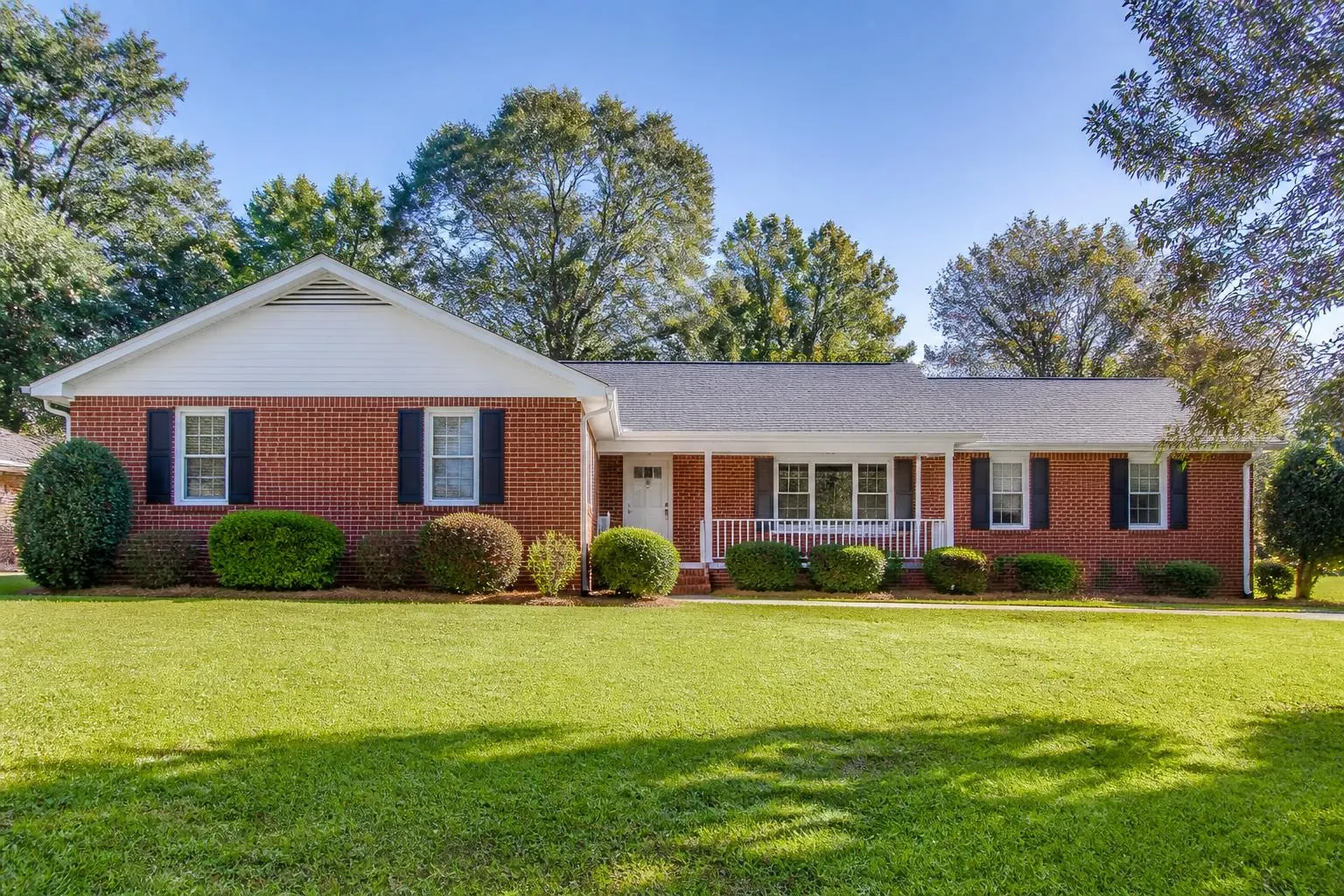
In an established neighborhood with a mixed housing stock, the land carries most of the value. A 1962 ranch and a 2021 custom home on the same street are not competing products, but they sit on the same underlying parcel value — and in Barclay Downs that parcel value has risen steadily for two decades because the supply of quarter-acre lots five minutes from SouthPark is fixed forever.
The practical consequence for buyers is that the cheapest houses here are rarely bargains in the ordinary sense. They are lots with a serviceable structure on them. Price them that way, and the numbers make sense.
The three products
Original condition. Sound mid-century houses with dated kitchens and baths. Bought by owner-occupants planning a renovation and by builders planning a replacement.
Renovated. The deepest part of the market. Kitchen opened, primary suite added, systems replaced. Quality varies enormously; a careful buyer inspects the additions closely.
New construction. Four to seven thousand square feet, built in the last fifteen years, priced at the top of the neighborhood range.
Inventory is the whole story
Barclay Downs turns over slowly. In a typical month only a handful of homes are actively listed across the entire grid, and well-priced houses in the central streets frequently trade before or immediately after they reach the public market.
That thinness rewards preparation: financing arranged in advance, an agent who hears about listings early, and clarity about which streets and which product type you actually want.
What to inspect
Crawl space moisture and encapsulation, sewer line condition on original 1960s laterals, the framing and flashing on any added second story or rear addition, panel capacity, drainage across flat rear yards, and the health and location of significant trees.